Supporting healthier soils and resilient dairy farming in Poland
Dairy farmers in Poland are increasingly affected by drought, water scarcity, declining soil fertility, and rising agricultural input costs. These challenges can reduce maize yields and create a risk of insufficient silage for livestock, affecting farm productivity and long-term profitability.
Through Dairy Tracks, ofi launched a regenerative agriculture pilot to explore how improved soil and nutrient management could support maize production while reducing synthetic fertilizer use and input costs. The pilot focused primarily on maize, which accounts for approximately half of the daily feed ration across participating farms.
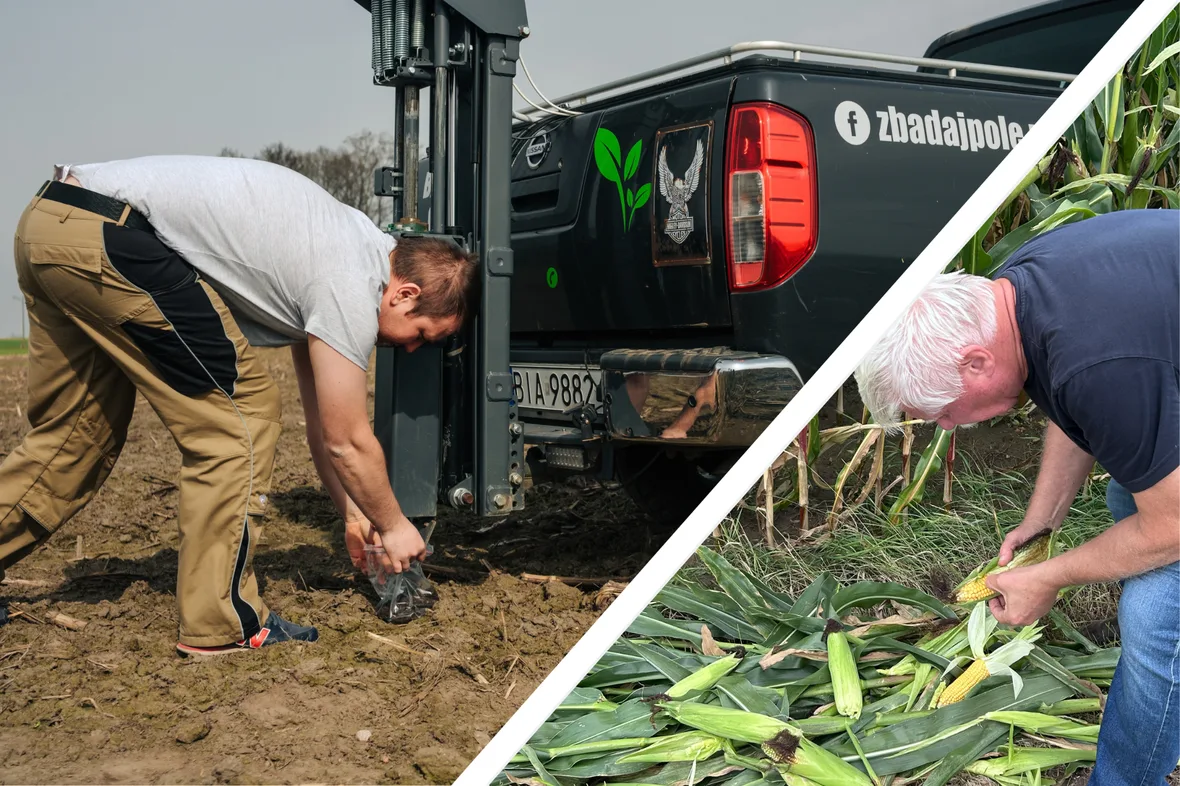
The project began with comprehensive soil sampling and laboratory analysis using the Mehlich-3 methodology. This provided a detailed assessment of plant-available macro- and micronutrients, alongside soil organic carbon levels. The results helped establish a baseline for understanding soil fertility, nutrient deficiencies, carbon stocks, and longer-term soil health trends.
Based on the findings, farmers received tailored nutrient recommendations aligned with the 4R principles: Right Source, Right Rate, Right Time, Right Place. The recommendations included reducing synthetic fertilizer application and adding targeted micronutrients and biostimulants. Biofertilizers were also applied during the maize growing season.
To support implementation, ofi engaged an agronomist to provide classroom-based training and practical, on-farm advice throughout the maize season. The program also co-financed soil sampling, laboratory analysis, and biofertilizers, helping farmers access technical expertise and make more informed nutrient management decisions.
Two field visits and workshops were held on participating farms across Poland in August 2026, approximately two to four weeks before the maize harvest. These sessions provided an opportunity to review field progress and discuss the application of the recommended practices.
Early field trial results are encouraging. Participating maize fields recorded up to 11% more biomass and 6% more starch and sugar compared with maize produced using conventional fertilization practices.
One of the participating farmers is Krzysztof Nienaltowski, whose 128-hectare family farm in Poland’s Podlasie region supports 230 cows. His family has farmed there for more than three generations, and he recognizes the importance of continually developing the farm to remain productive, competitive, and resilient in a changing agricultural environment.
“We know the drought is getting worse. We use deep-rooting plants, like alfalfa, to combat drought. Additionally, soil testing is essential. If you take care of the soil, it will produce a harvest without heavy fertilization, as alfalfa doesn’t require mineral nitrogen fertilization.” — Krzysztof Nienaltowski, Dairy Farmer
The program demonstrates how soil data, tailored advice, and practical field support can help farmers test regenerative agriculture practices while continuing to produce the forage needed for their dairy herds. It is an important step toward healthier soils, more efficient input use, and more resilient dairy farming in Poland. For ofi, these insights can help inform future farmer support and advance our efforts to build a more resilient dairy supply chain.