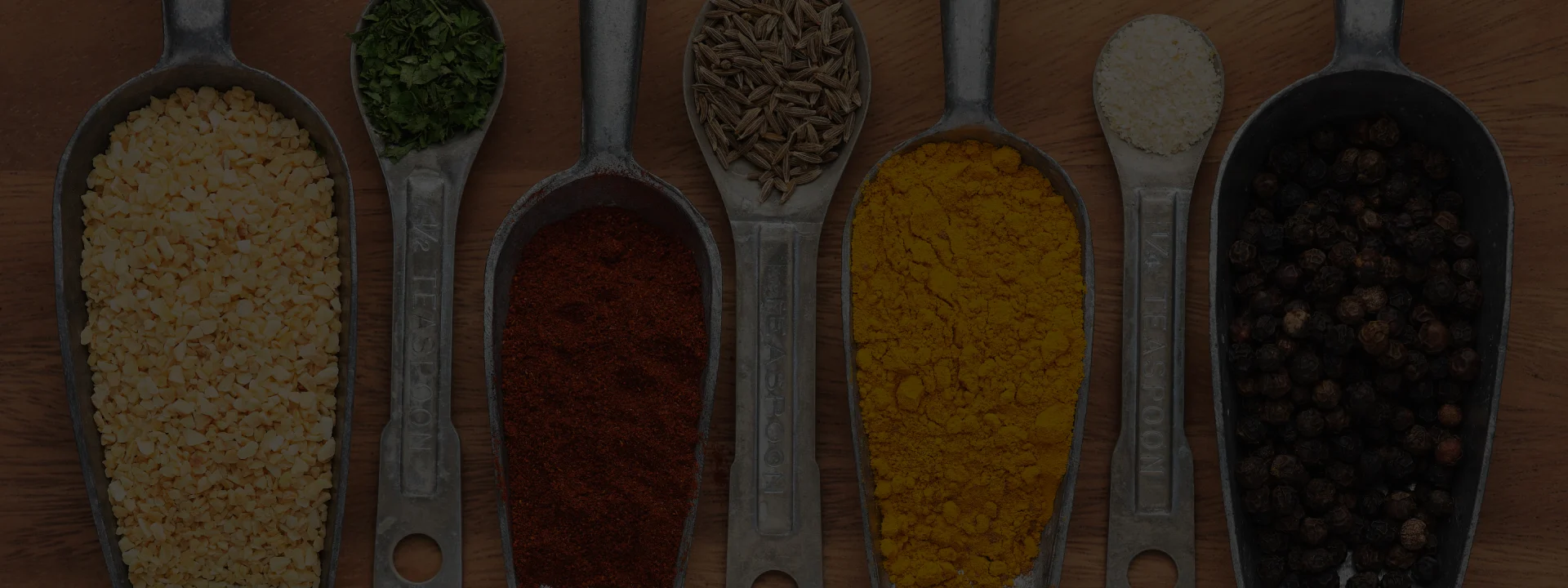
Get to know our wide range of delicious spices, perfect for every dish and cuisine. Made to order, in the formats you want and grown with care.
Spices that do good
We know that sustainability matters—not just for the planet, but for businesses and consumers, too. That’s why innovating for sustainability and traceable sourcing from farm to shelf is more important than ever. It’s not just the right thing to do—it’s a smart business move.
Processing
Spice Maps: our sustainability ambition
Behind each spice is a distinct origin story, production model, and sustainability challenge. Spice Maps recognizes these differences with tailored interventions, dedicated targets, and context-specific action plans for each of our six core products: pepper, chile, turmeric, onion, cassia and coconut.
By targeting the specific challenges facing farmers in each crop and country, we set goals that reflect local realities and track progress that matters to communities, landscapes, and our customers.
Follow our journey from the beginning.

See all our spices
Sustainability beyond borders
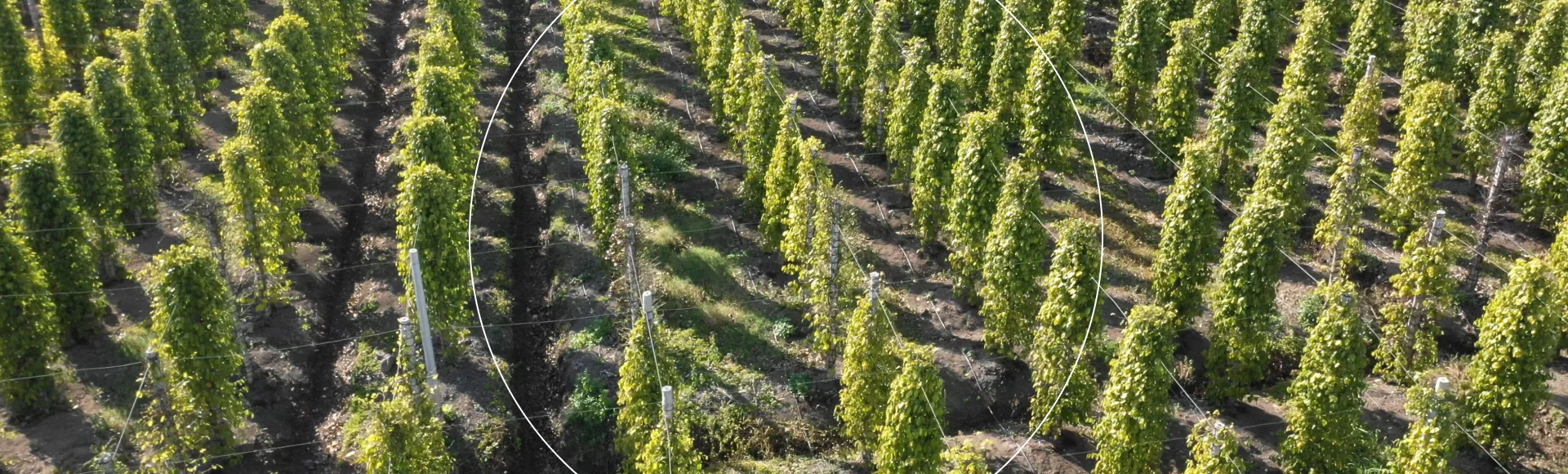
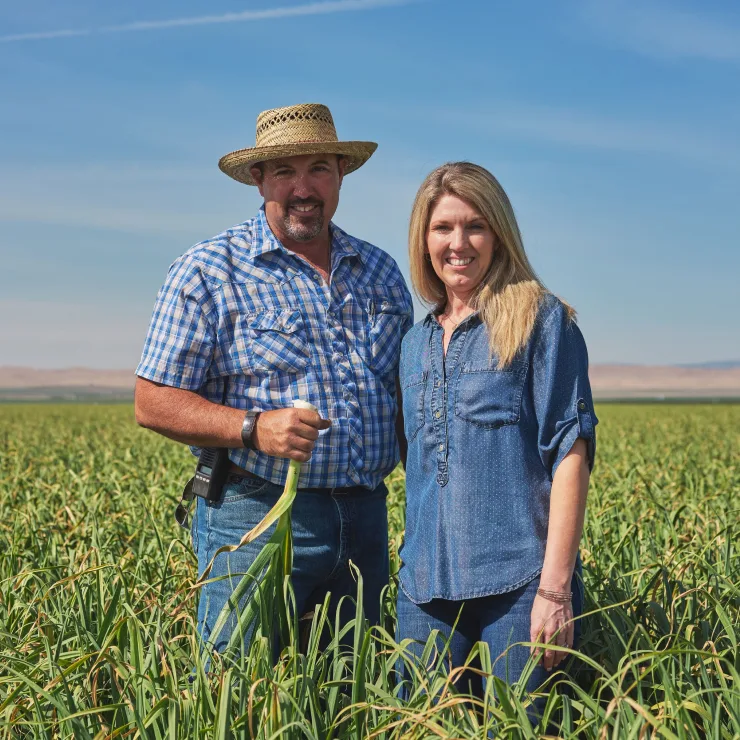
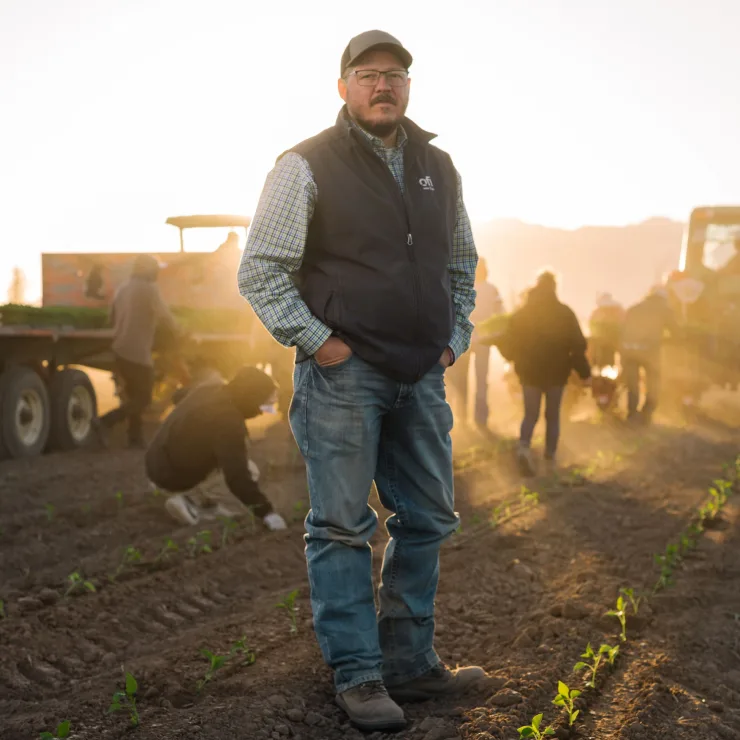
Where we grow our crops, we have complete control. We apply international standards and advanced technology to maintain the highest quality of sustainability.
But the vast majority of the crops we buy are grown by smallholders in fragmented supply chains. While we know that this supports local communities, it can make traceability more challenging. This is how we take sustainability to those hard-to-reach places to influence our third-party supply chains for the better:
Supplier responsibility standards
Our Supplier Code is a detailed set of conditions that our suppliers must meet. These conditions are the basis for producing ingredients in a way that’s socially responsible, economically profitable and environmentally sustainable.
Supporting smallholds
Working closely with smallholder spice farmers, we run sustainability programs covering subjects such as improving yields and quality, diversifying crops to increase income, improving health and education and much more (see our Priority Areas).

Never miss ofi news
If you're looking for the latest updates and useful tips, we've got you covered with our regularly released ofi newsletter.
Please note, by subscribing, you agree to ofi’s privacy statement and consent to the collection and use of your data.

Sustainability Stats
#
most sustainable onion in the world is produced by us*
470
years of combined experience in our agricultural team in specialties including seed breeding, planting and harvesting*
420000
smallholders are supported by us in our sustainability programs*
* Numbers are subject to change
Supply chain excellence through technology
We're using leading platforms to build smarter, more transparent supply chains. It’s all about the power of information for good. We turn the vast data from our entire supply chain into actionable insights and verified traceability. And it’s all accessible to customers through our sustainable sourcing solution, Atsource.

Track and Trace system
Combines data from our digital apps and Enterprise Resource Planning (ERP) systems, allowing us to trace products from farm to customer. That means clear visibility across the entire supply chain to meet European Union Deforestation Regulation (EUDR) compliance.


Ready to work even more sustainably?
We’re here for a better future.